
The Support Every Dock Needs: How Dock Pilings Keep Your Lake Keowee Dock Stable for Years
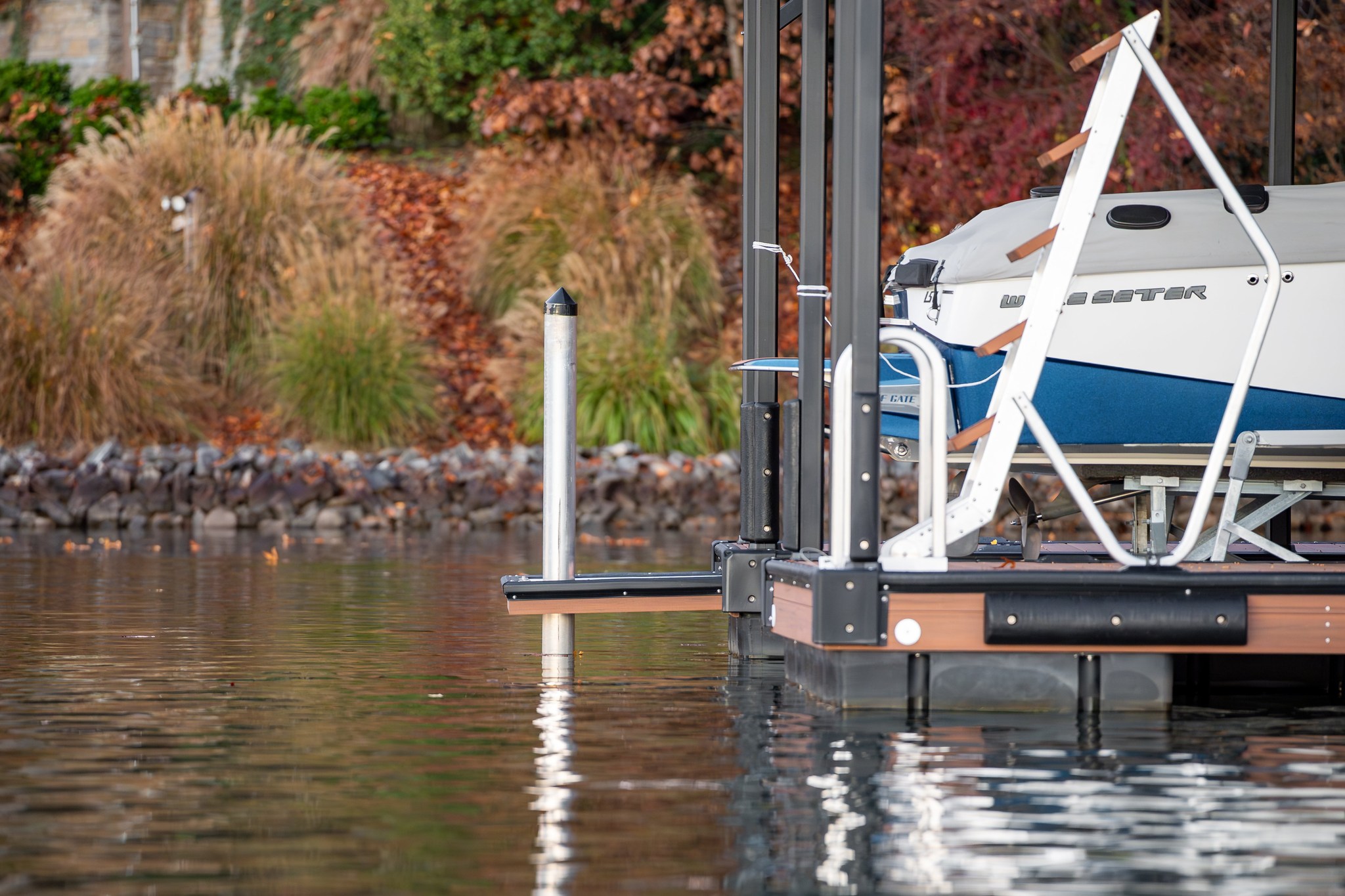

Dock pilings are the vertical posts driven into the bed of a lake, river, or ocean floor that support the lake dock and hold it stable.
Here’s a quick summary of what you need to know:
- What they are: Load-bearing support columns anchored into the ground beneath the water
- What they’re made of: Marine-grade aluminum
- Common sizes: 8-inch top, 10-inch butt, and 12-inch butt pilings in lengths up to 60 feet
- Key factors: Water depth, location, wave action, and budget all affect which piling is right for you
- Lifespan: Up to 30 years with quality materials and proper maintenance
Every plank, cleat, and boat lift on your dock ultimately relies on pilings for stability. Get them right, and everything holds strong. Get them wrong, and the whole structure is at risk — during heavy storms, high winds, and even heavy boat traffic. Whether you’re building a new dock on Lake Keowee or reinforcing an existing one, understanding dock pilings is the first step toward a structure that’s built to last.
Understanding Dock Pilings and Their Primary Functions
When we talk about the “bones” of a dock, we are talking about dock pilings. These are not just posts stuck in the mud; they are sophisticated engineering components designed to handle immense stress. Their primary function is to provide stability by holding the dock, everything on it, in place.
Southeast lakes like Lake Keowee and Lake Lanier, pilings serve two main roles:
- Vertical Load Support: They hold up the weight of the decking, the roof, and your boat lift.
- Lateral Stability: They resist the “push” from wind, waves, and moving water. Without this stability, a dock would simply float away or collapse under the pressure of a storm.
The success of these functions depends heavily on the water depth and the soil composition of the lakebed. For instance, a sandy bottom requires a different installation depth than a rocky one. If you are just starting your journey into waterfront property ownership, our Dock Building 101 guide offers a great primer on how these components fit into the larger picture.
Factors Influencing Piling Selection
Choosing the right dock pilings isn’t a “one-size-fits-all” decision. Several environmental and logistical factors come into play:
- Environmental Conditions: Is your dock in a quiet cove on Lake Hartwell or exposed to heavy wind and wave action on Lake Murray? High-energy environments require stronger, more resilient materials.
- Water Depth: Deeper water requires longer pilings with larger diameters to prevent “sway.”
- Budget: While treated wood is often the most affordable upfront, composite materials might save you money over thirty years due to lower maintenance.
- Location: Specific lake management rules (like those from Duke Energy or the Army Corps of Engineers) may dictate what materials or sizes you can use.
Before you break ground, it is vital to understand What to Consider Building a Boat Dock to ensure your investment is protected from the unique elements of the Southeast.
Common Sizes and Engineering Specifications
In marine construction, size matters. Dock pilings are generally categorized by their diameter at the “top” or the “butt” (the thicker base).
- 8-inch top pilings: These are consistently large in diameter throughout and provide excellent stability for residential docks.
- 10-inch butt pilings: These are the standard for most general dock constructions.
- 12-inch butt and Class B pilings: These heavy-duty options are reserved for deeper water, bayfronts, or commercial marinas where the load is significantly higher.
At Kroeger Marine, we specialize in Our Custom Docks, where we match the piling size to the specific engineering requirements of your shoreline to ensure a level, sturdy surface.
Installation Methods and Essential Piling Accessories
Installing dock pilings is not a DIY project. It requires heavy machinery and a deep understanding of the local lakebed. At Kroeger Marine, Our Process involves precision equipment to ensure every piling is perfectly vertical and driven to the correct “refusal” point (the depth at which it can no longer be pushed down).
Common methods include:
- Pile Driving: Using a large drop hammer or vibratory hammer to force the piling into the ground.
- Water Jetting: Using high-pressure water to blast a hole in the lakebed, allowing the piling to settle into place before the sand or sediment fills back in around it.
Protecting Your Investment with Piling Caps and Sleeves
Once the pilings are in the ground, the battle against the elements begins. To extend the life of your dock pilings, we utilize high-quality accessories that reflect our commitment to Craftsmanship.
- Piling Caps: These sit on top of the post to protect the end grain from rain seepage and UV damage. They also serve as a deterrent for birds (no one likes a messy dock!).
- Sleeves and Wraps: Vinyl wraps or heat-shrink sleeves protect the “intertidal zone”—the area of the piling that is constantly getting wet and drying out. This shields the wood from marine organisms and water damage.
- Poly-Coating: Some modern pilings come pre-coated in a polymer skin that provides an impenetrable barrier against the environment.
Floating Docks vs. Fixed Piling Requirements
There is often confusion about whether floating docks need pilings. The answer is: usually, yes!
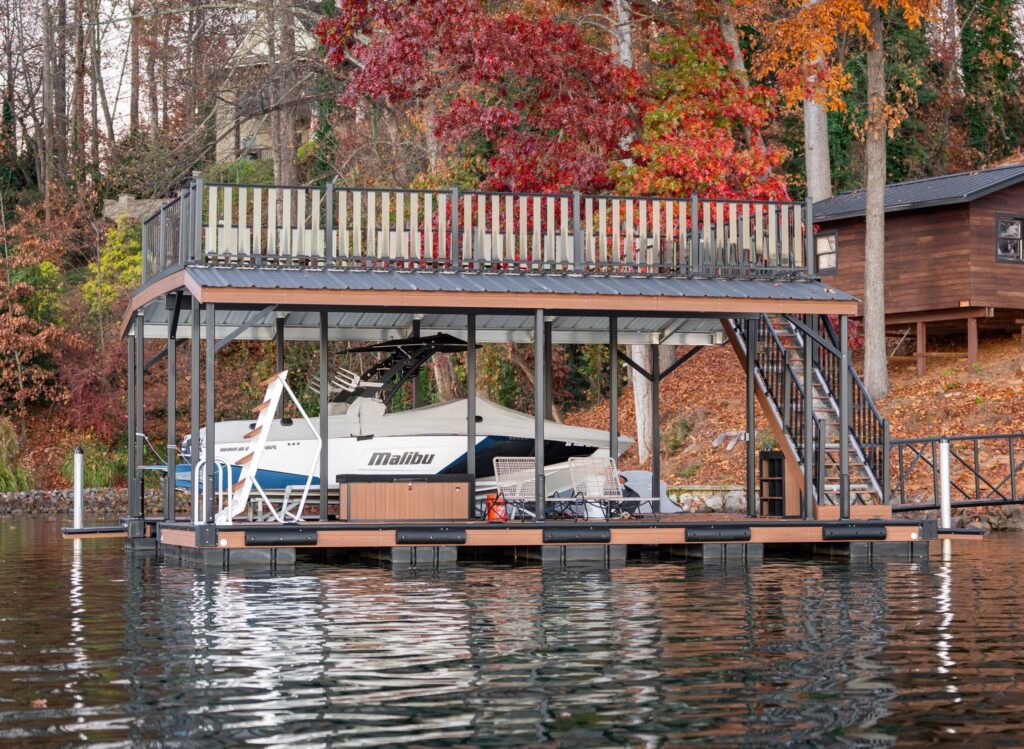
While a fixed dock uses pilings as the actual legs of the structure, a floating dock uses them as “guides.” The dock is attached to the dock pilings with hoops or rollers, allowing it to slide up and down as water levels fluctuate. This is particularly useful on lakes like Lake Hartwell, where water levels can change significantly throughout the year.
If you are wondering Why a Custom Boat Dock with a piling-anchored floating system might be better than a simple cable-anchored one, it usually comes down to stability. Piling-anchored docks feel much “stiffer” and more secure during storms.
Maintenance, Regulations, and Long-Term Durability
A dock is a major investment, and like any investment, it requires oversight. We recommend routine inspections of your dock pilings at least once a year. Look for signs of “necking” (where the piling gets thinner at the waterline) or large cracks known as “checks.”
Before performing any major work, always consult our FAQ regarding permits. Most lakes in our service area, from Lake Keowee to Lake Murray, require approval from local authorities before new pilings can be driven.
Impact of Environmental Factors on Piling Lifespan
Mother Nature is the biggest enemy of a dock. In the Southeast, we deal with:
- Storm Surges: High winds can put lateral pressure on pilings that they weren’t designed for if they aren’t sized correctly.
- Marine Organisms: Even in freshwater, certain bacteria and fungi can slowly break down untreated wood.
- Ice Damage: While rare in the deep south, “ice jacking” can occur in colder winters, where expanding ice literally pulls pilings out of the ground.
Frequently Asked Questions about Dock Pilings
What is the difference between 8-inch top and 10-inch butt pilings?
An 8-inch top piling is measured at the top and is generally more uniform in size, making it easier to align during construction. A 10-inch butt piling is measured at the base and tapers toward the top; it is a standard, sturdy choice for most residential docks.
Do I need a permit to replace my dock pilings?
Yes. In almost all cases, installing or replacing dock pilings requires a permit from the lake management authority (such as Duke Energy) and potentially a local building permit from the county.
Since 1985, Kroeger Marine has been the trusted name for handcrafted, luxury waterfront solutions across the Southeast. We combine innovative design with the deep expertise required to navigate the unique challenges of our local lakes. If you’re ready to build a dock that stands the test of time, contact us today for a professional consultation.
Let us help you build your legacy on the water. Contact us for a free quote.


